Skip to content

Free AI Image Sharpener Online

Refine visible edges and local detail without turning the whole image harsh.

Upload a slightly soft portrait, product photo, or landscape. Enpix refines edge contrast and visible texture, then lets you compare the result with the source before choosing a download format.

  • Controlled edges & local detail
  • JPG, PNG & WebP · up to 20 MB
  • 2 free edits daily · no signup
Image sharpener
Soft photo compared with its sharper reference
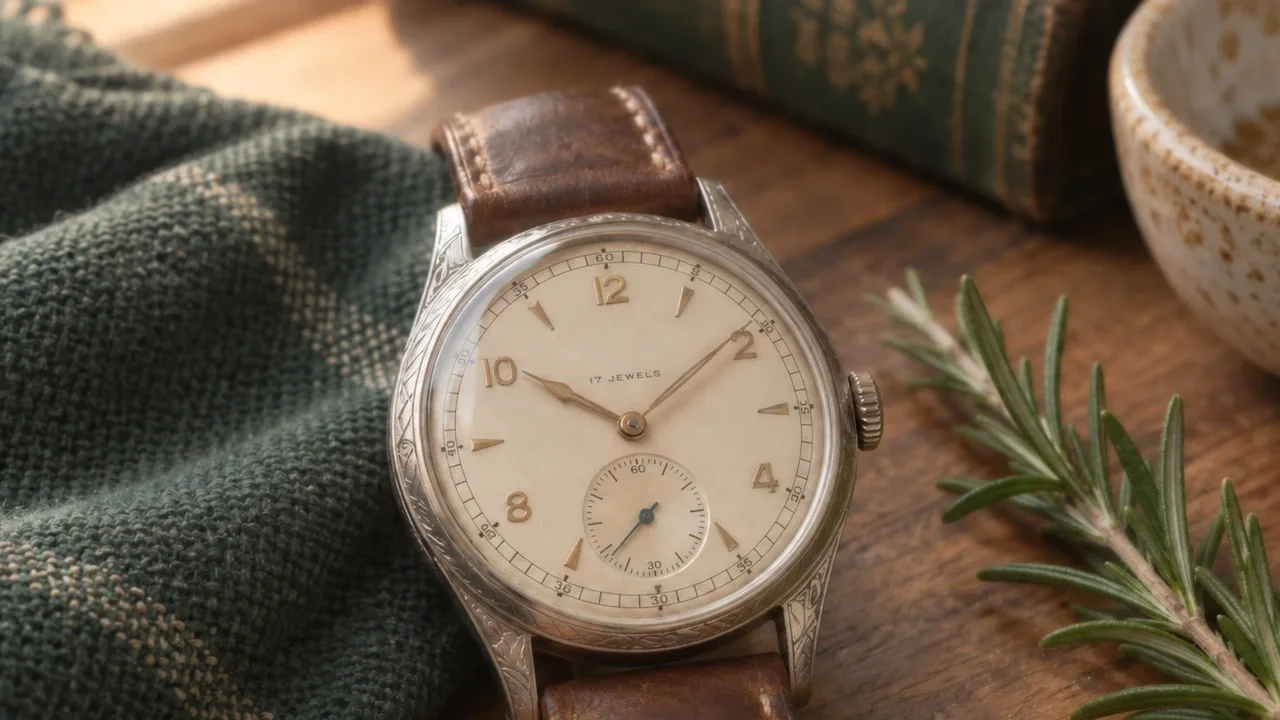
Softened mechanical wristwatch compared with the original sharper referenceBefore
After

Illustrative soft-to-sharp reference from one photo; live AI sharpening depends on the source.

Refine one slightly soft image at a time

Upload image

Loading available models…

Two daily free edits are shared across all Enpix tools. 0/2 remain today.

Secure Fast Controlled detail
Output format

When should you sharpen an image?

Sharpening works best when the subject is already recognizable and needs more edge definition. It is not a substitute for correct focus or enough source pixels.

Slightly soft portraits

Refine eyes, hair, clothing, and other visible edges while keeping skin texture believable.

Inspect pores, eyelashes, teeth, and hair for brittle or invented texture.

Product photos

Improve separation around packaging, labels, and product edges before publishing a web or catalog image.

Check small type, reflections, metallic surfaces, and straight lines at 100%.

Landscapes & architecture

Bring more definition to foliage, rock, windows, and building edges in an otherwise usable photograph.

Sky noise, branches, rooflines, and high-contrast horizons reveal halos quickly.

Final-size exports

Prepare a copy for a known display or print size, where a controlled amount of output sharpening can improve perceived detail.

Judge the result at the size and viewing distance where it will actually be used.

How to sharpen a photo online

Use the cleanest source, apply one controlled pass, and inspect at full size before saving.

  1. Upload a usable source

    Choose one JPG, PNG, or WebP image up to 20 MB. A clean, slightly soft source gives better control than a heavily blurred or repeatedly compressed copy.

  2. Run AI image sharpening

    Use one of the two daily free edits shared across Enpix tools. The model refines visible edges, local contrast, and texture while trying to avoid excessive halos.

  3. Inspect at 100% and final size

    Check edge halos, noise, skin, foliage, lettering, and repeating patterns. Also view the image at its intended display or print size before download.

Mechanical wristwatch used to review engraved markings, woven fabric, metal edges, and fine texture after image sharpening
Engraved markings, metal edges, woven fabric, and rosemary leaves reveal halos and excessive texture quickly.Illustrative soft-to-sharp comparison made from the same Enpix demo photo; this is not a provider output.

What should a sharpened image look like?

Good sharpening makes existing structure easier to perceive. It should not add a bright outline, crunchy texture, or noise that becomes the first thing you notice.

Edges, not outlines
Contrast should increase around real boundaries without creating pale or dark rims along faces, buildings, mountains, or products.
Texture, not noise
Hair, fabric, foliage, and surfaces can gain definition, but high sharpening may also amplify grain, JPEG blocks, and sensor noise.
Final size matters
A file that looks harsh at 200% may look appropriate at its intended size, while a subtle full-size adjustment may disappear after a large downscale.

More sharpness can create less believable detail.

Over-sharpening can create unnatural halos and add noise. Evaluate the result at 100% and at the final output size instead of judging only a fit-to-screen preview.

  • Look for bright or dark halos along high-contrast edges.
  • Compare skin, sky, shadows, and flat surfaces for amplified noise.
  • Check text, foliage, railings, and repeating patterns for brittle or false detail.

If the problem is camera shake or missed focus, use the unblur tool first. If the dimensions are too small, use the image upscaler.

What happens to an image during sharpening?

Your image is stored privately for processing and sent to our image-processing provider through KIE. Sharpening does not happen entirely on your device.

Private storage
Enpix does not publish uploads in a public gallery or use them to train its own models. Provider handling follows the provider’s separate policies.
7-day access
Submitted originals, results, and related task data remain accessible for 7 days from task creation. Unused uploads are scheduled for removal after 24 hours.
Download your result
Save the processed copy before access expires. Recent task history is a convenience, not permanent file storage.
Read the full privacy policy

Image sharpening questions

Give a usable photo controlled definition.

Sharpen one image, inspect halos and noise at full size, and judge the final copy where it will be used.

Sharpen an image